
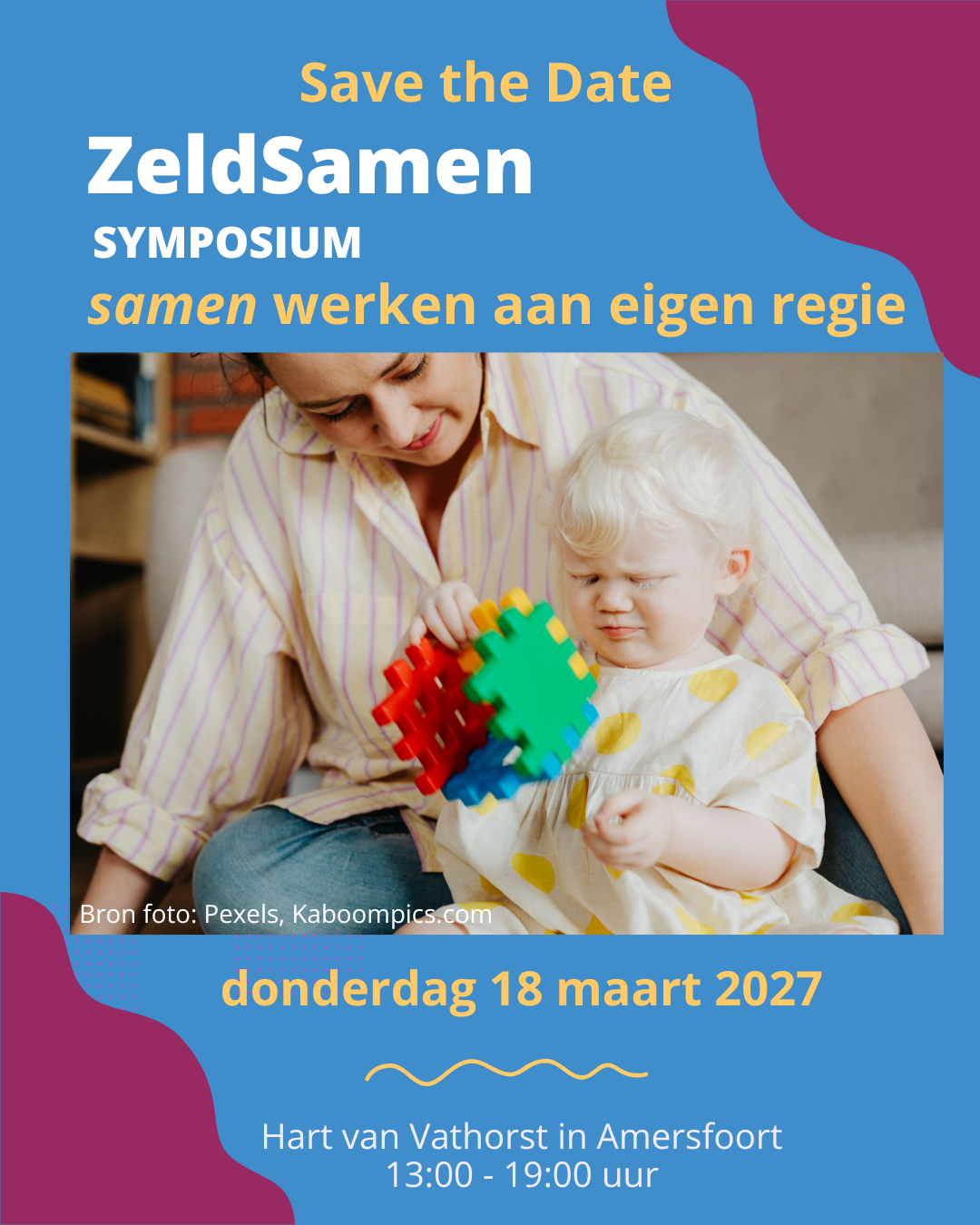
Save the date: ZeldSamen Symposium 2027
Samen werken aan eigen regie
Hoe zorgen we ervoor dat kinderen met een zeldzame genetische aandoening de zorg en ondersteuning krijgen die zij nodig hebben én tegelijkertijd ruimte ervaren voor hun eigen regie?
On donderdag 18 maart 2027 brengt ZeldSamen ouders, verzorgers en zorgprofessionals samen in Hart van Vathorst in Amersfoort.
Een middag vol inspiratie, ontmoeting en gesprek, met onder andere:
🎤 Een inspirerende keynote van dr. Aly Waninge over ‘Eigen regie handen en voeten geven’
🎭 Theater Totaal met herkenbare dilemma’s
💬 Een panelgesprek over eigen regie en goede zorg
🧩 Interactieve workshops
🤝 Een informatiemarkt en volop gelegenheid om ervaringen uit te wisselen
Want eigen regie ondersteunen én goede zorg bieden vraagt om samenwerking. Tussen kinderen, ouders, gezinnen en professionals.
In het aankomende magazine ZeldSamen vertelt dr. Aly Waninge meer over hoe je samen werkt aan eigen regie in onderzoek en de dagelijkse praktijk. Dr. Aly Waninge is lector participatie en gezondheid bij mensen met een verstandelijke en visuele beperking.
Zet 18 maart 2027 alvast in je agenda!
De inschrijving is nog niet geopend. Meer informatie over het programma en aanmelden volg je op onze website.
Wij kijken uit naar je komst.
Suzanne Kuik (Voorzitter ZeldSamen)
News about trials with antisense oligonucleotides (ASO) in people with Angelman syndrome
We would like to provide a brief update on the three Phase 3 trials involving an ASO from the pharmaceutical industry.
Ultragenyx investigated its drug GTX-102 (apazunersen) in the Aspire study. An analysis of the primary outcome measures was conducted very recently; these showed no significant improvement. Consequently, the study yielded negative results and is being discontinued.
At ENCORE, we had decided at an earlier stage not to participate in this study.
Ionis is currently conducting the Reveal and Champion studies on ION582 (obudanersen); all participants have now started, and we eagerly await the results once they have completed their follow-up assessments.
ENCORE would have liked to participate in this study, but the manufacturer's submission to the ethics committee (CCMO) in the Netherlands was rejected. Approval was granted in other countries.
Oak Hill Bio is in the start-up phase of the Beacon study on Rugonersen; this study has been submitted for ethical approval. We expect to be able to participate in it through ENCORE.
Looking back at the ENCORE 15th anniversary symposium
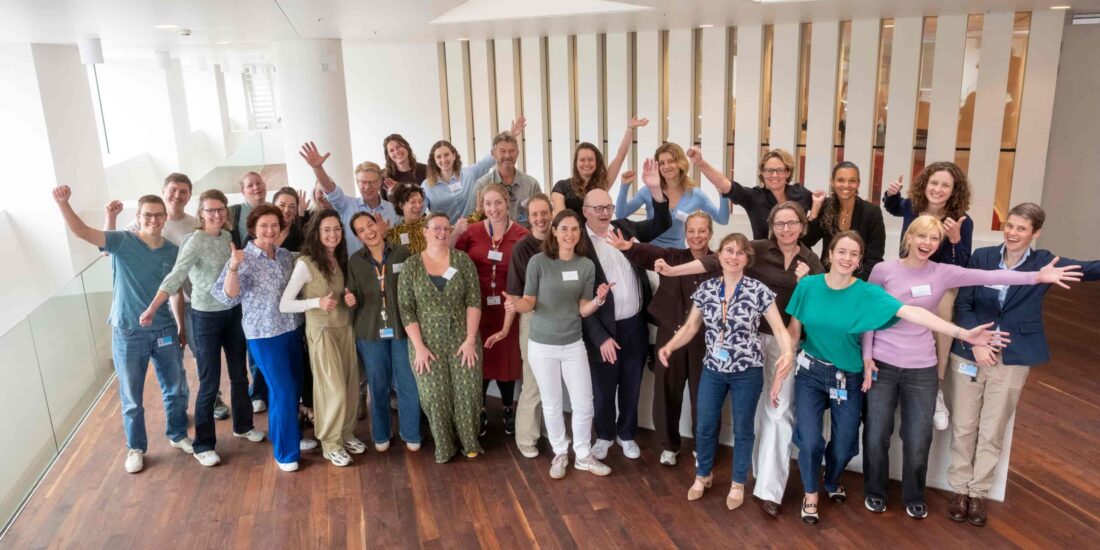
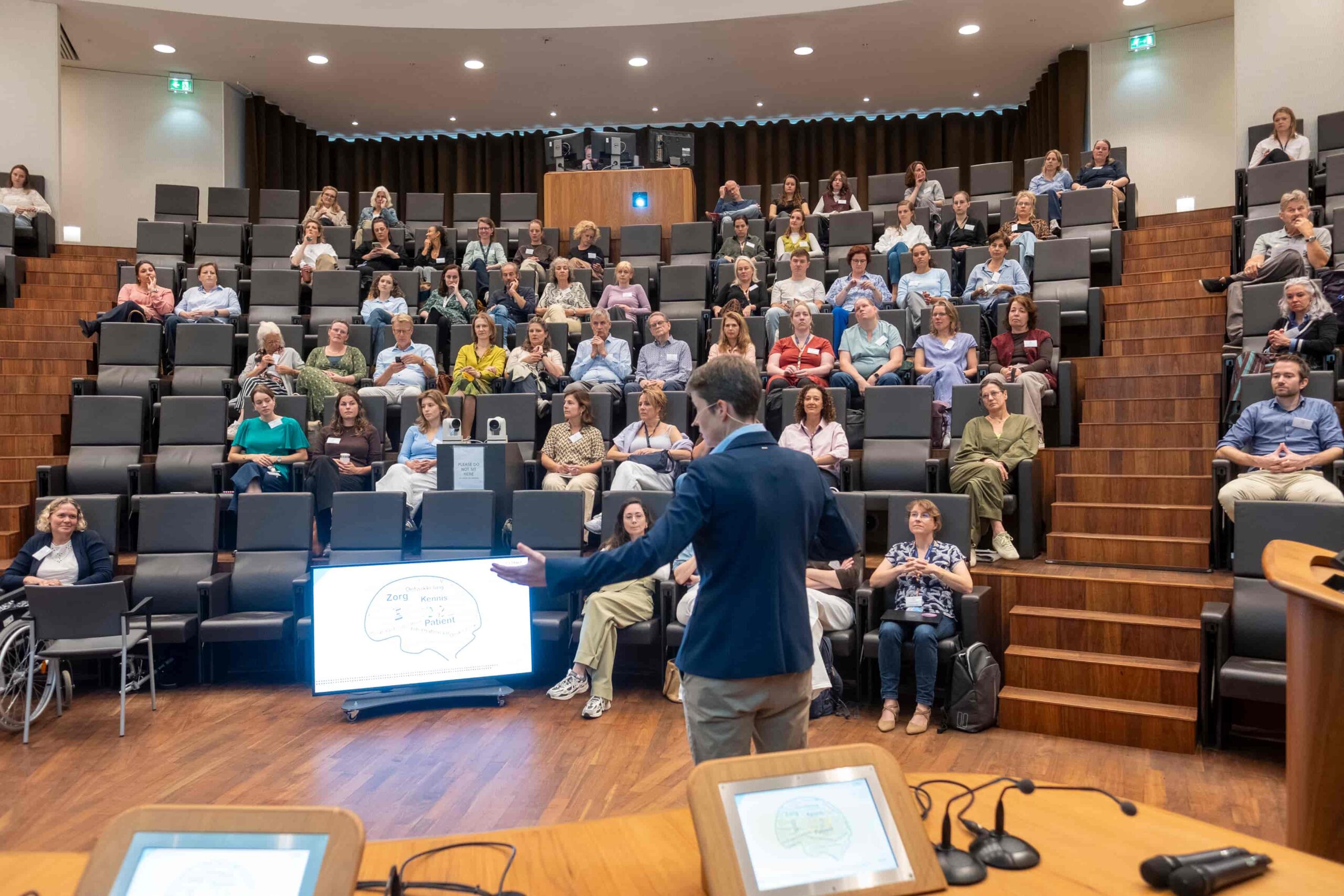
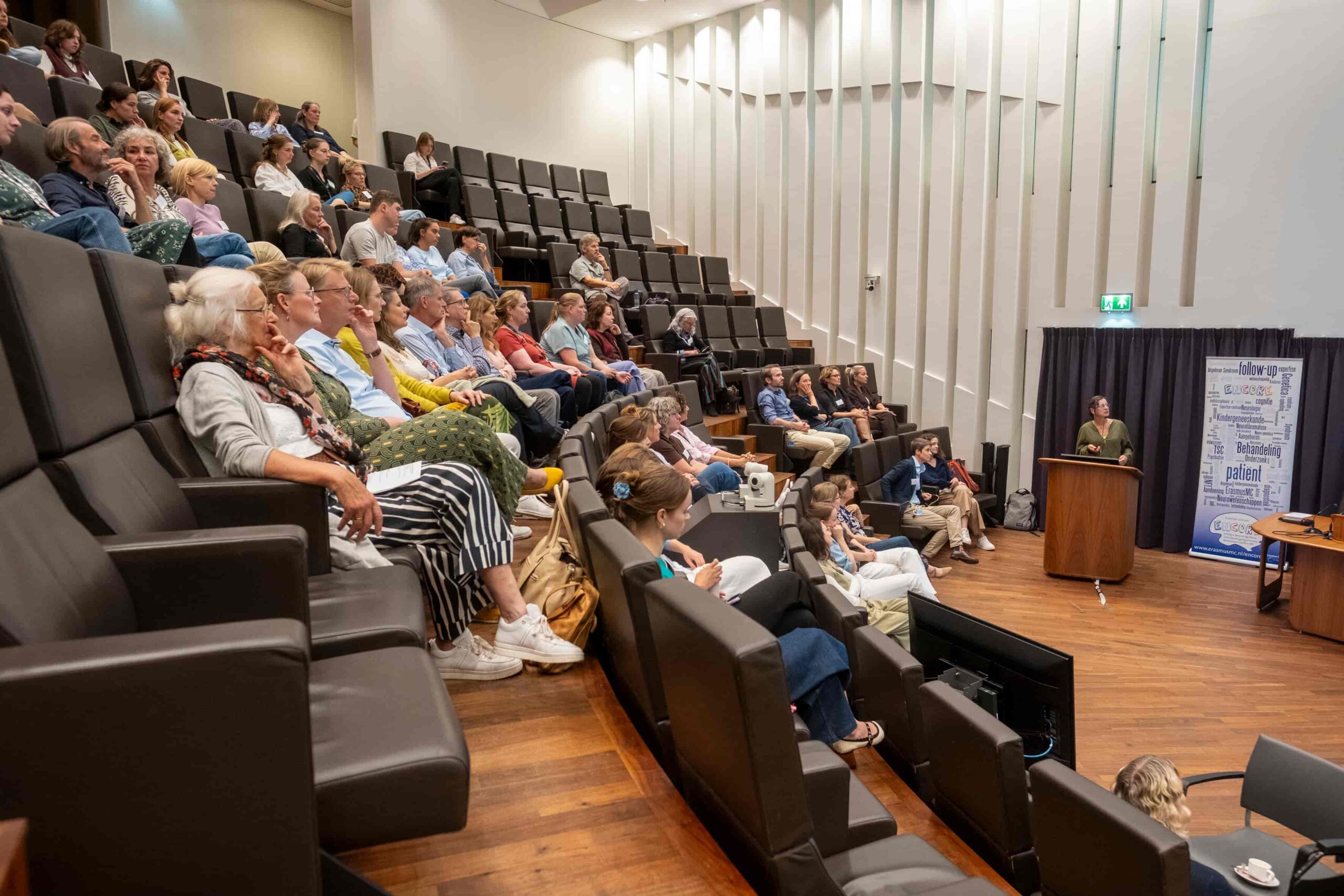
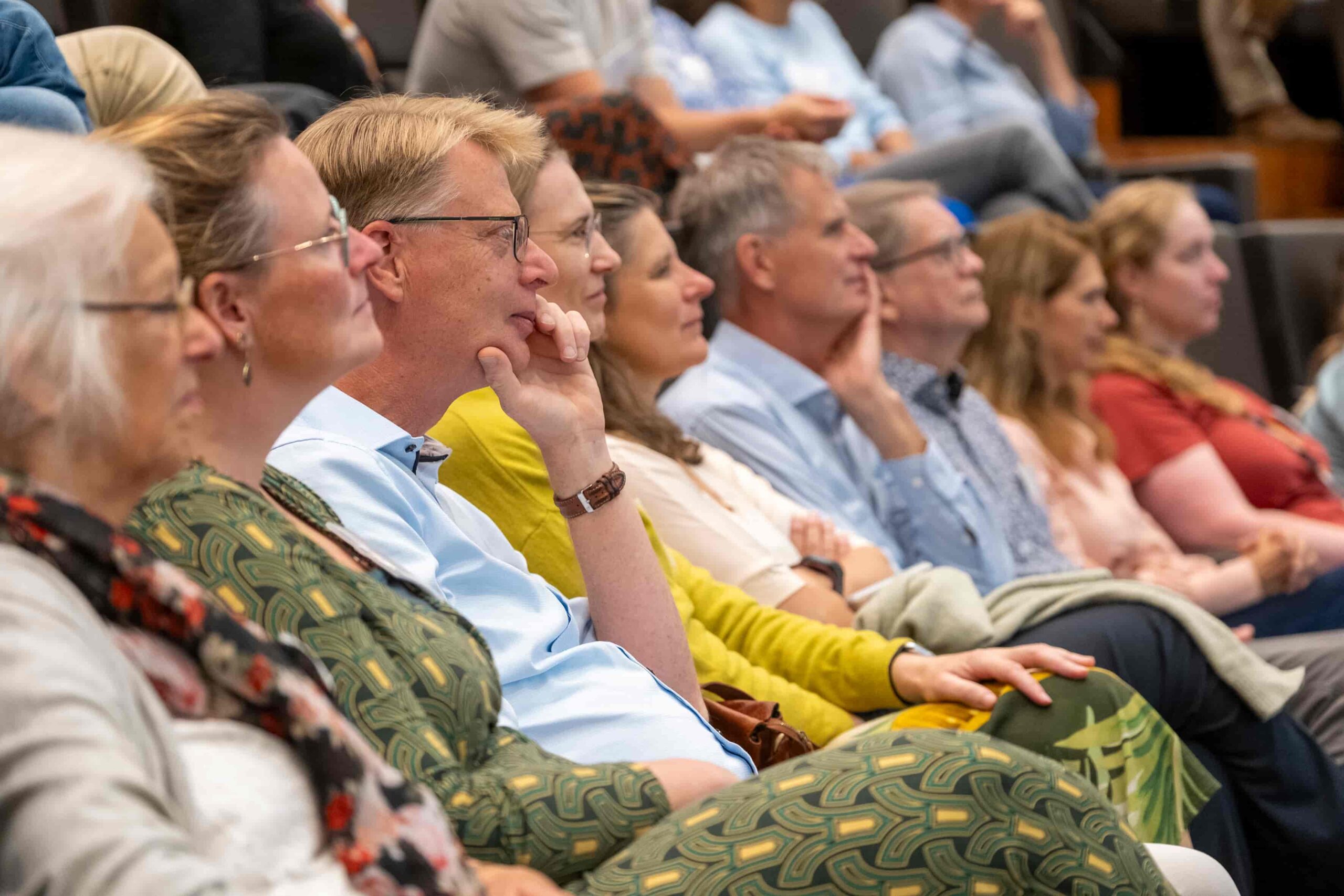
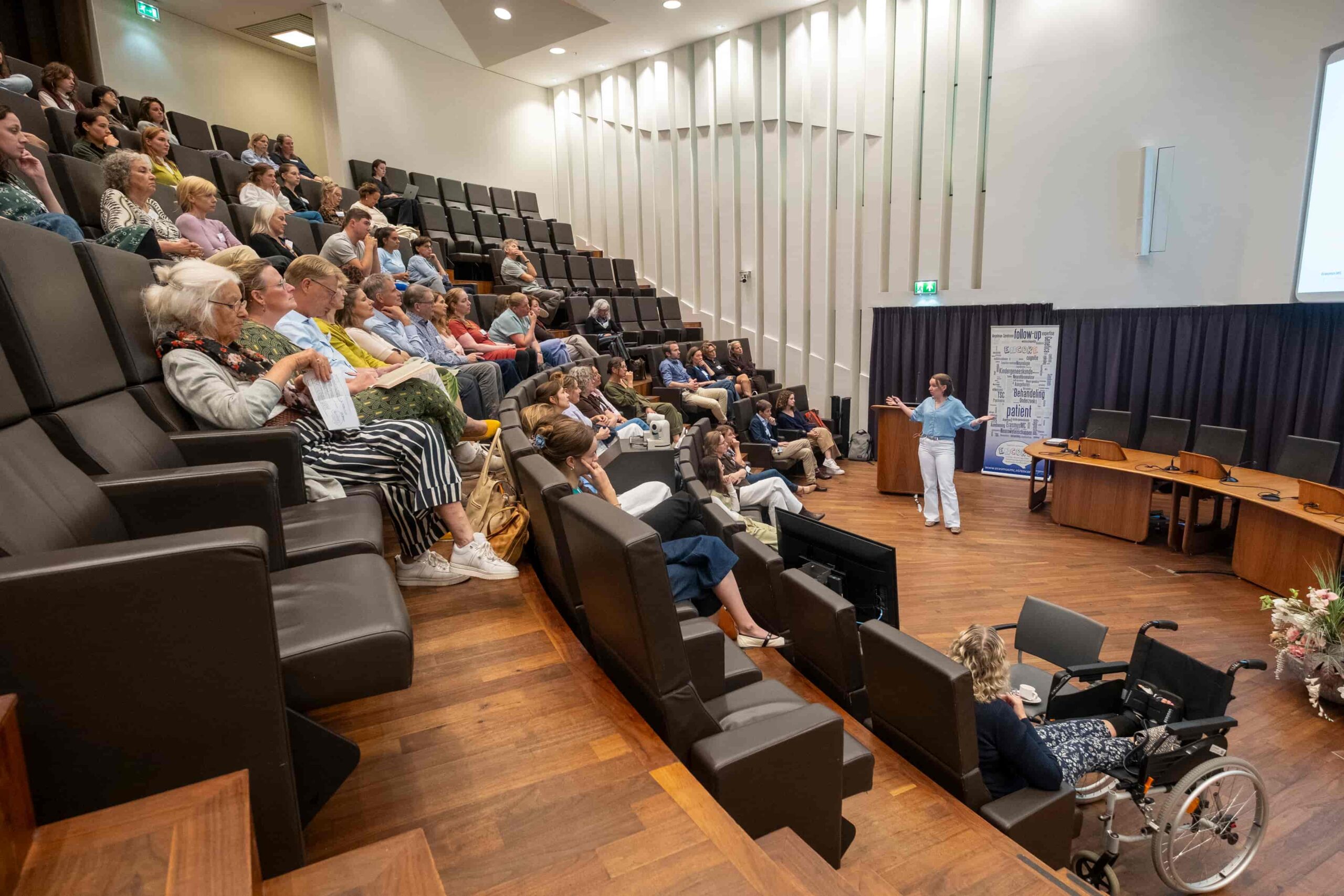
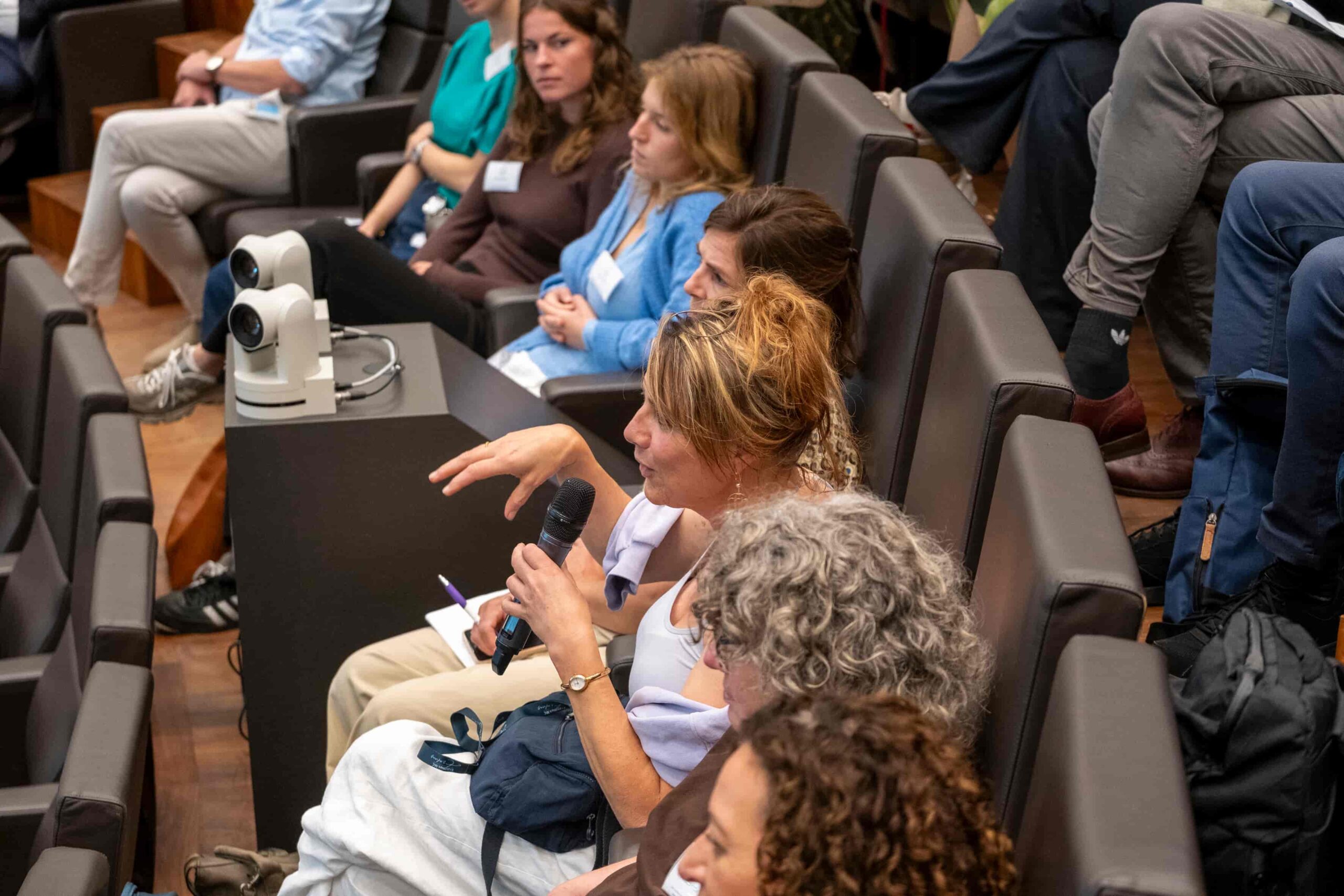
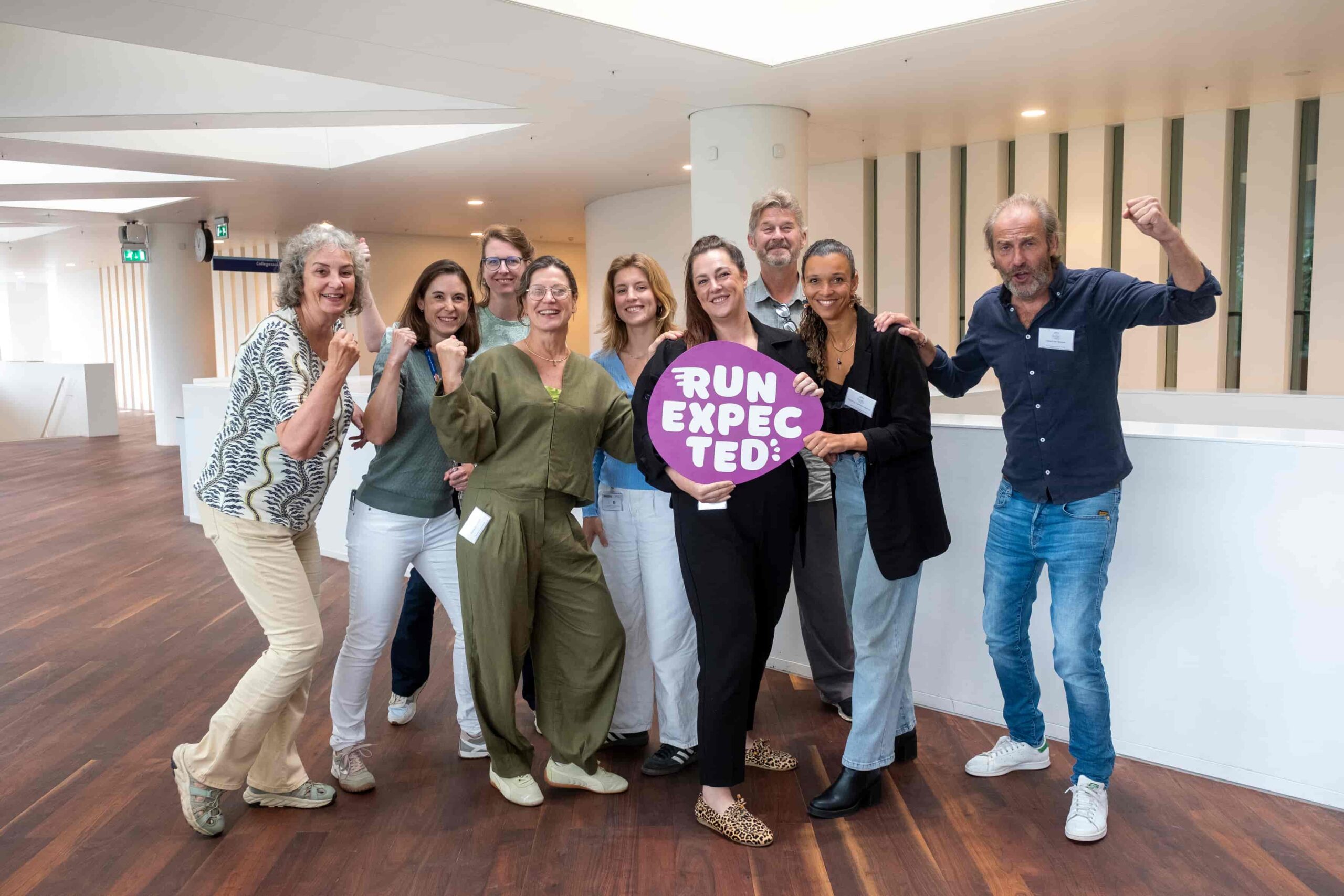
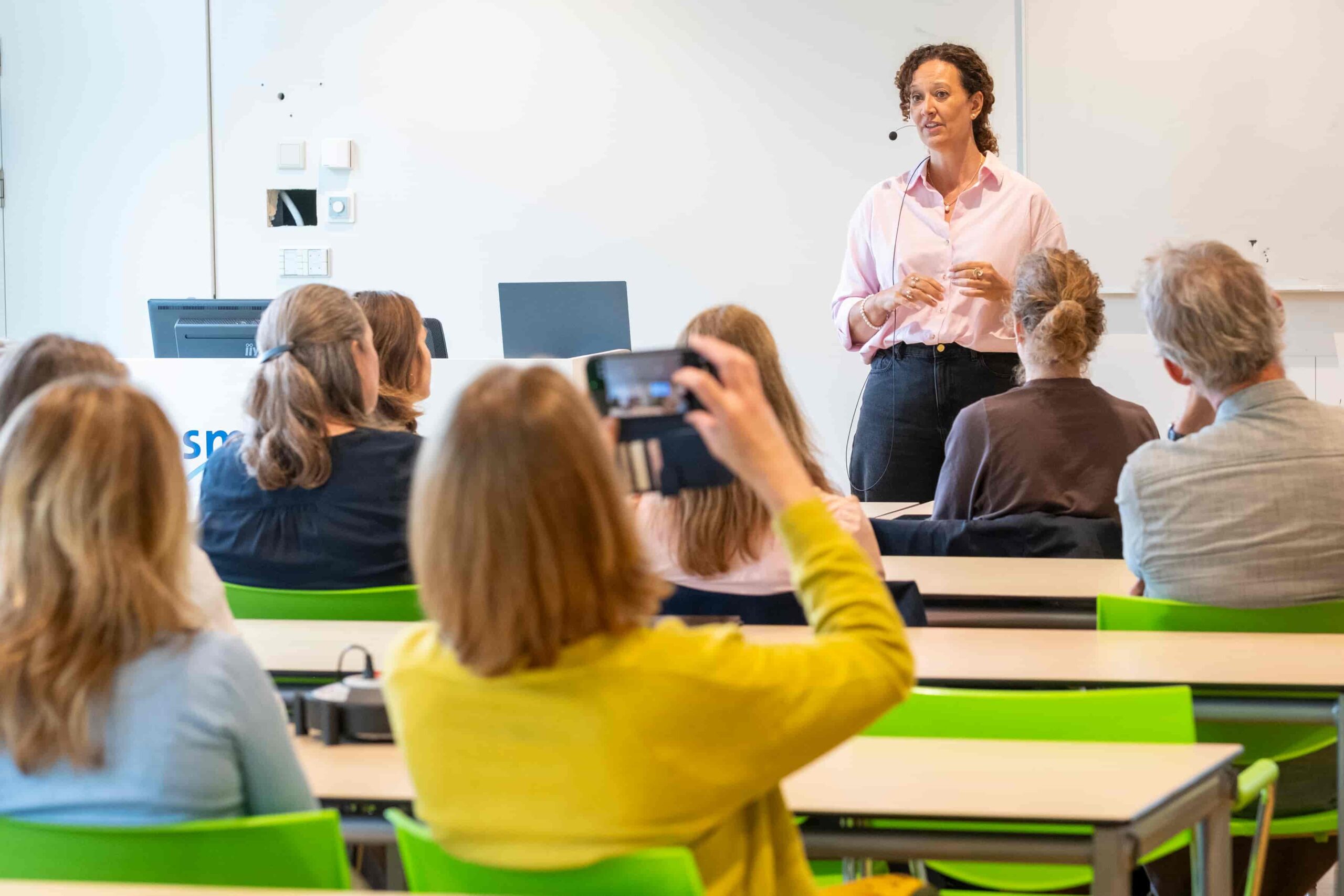
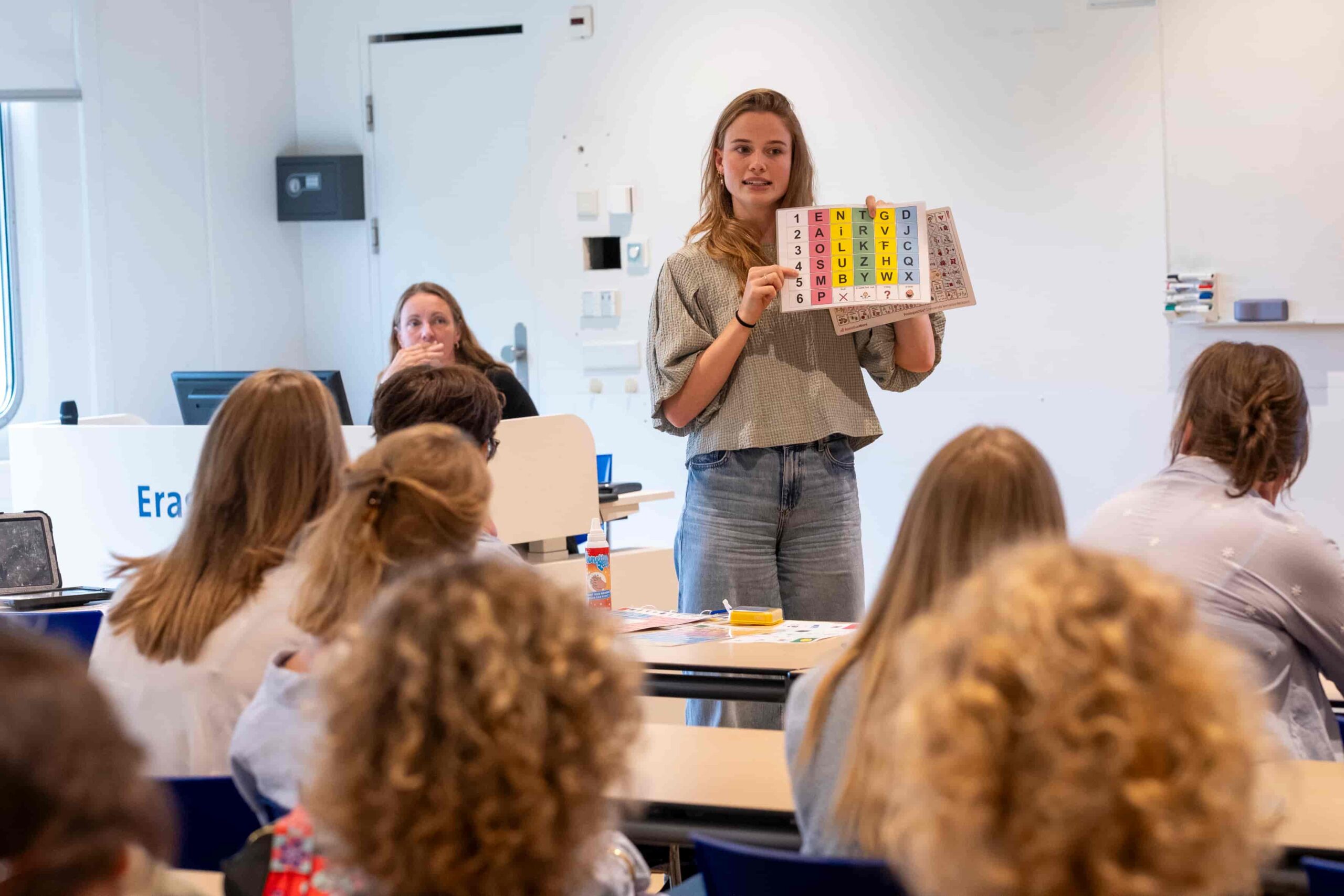
The ENCORE 15th anniversary symposium took place on September 11. It was an inspiring day featuring engaging speakers and workshops.
The focus was on the strength of ENCORE: the connection between care and research, between preclinical and clinical research, and—last but not least—between the team and the parents. There was also an opportunity for the parent associations to meet one another and learn from each other.
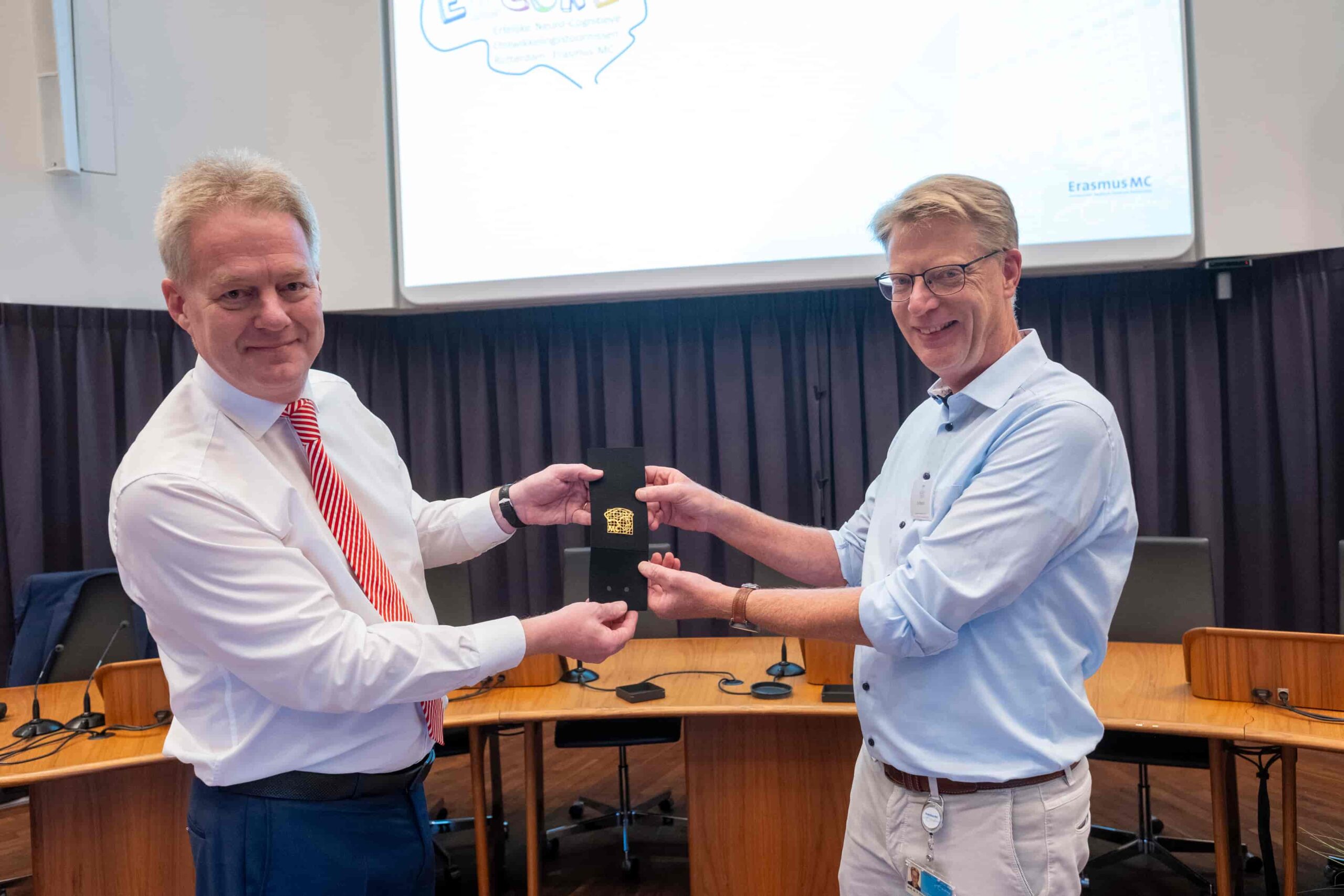
An additional highlight was the presentation of the Erasmus Medal by Paul Boonkamp of the Executive Board to the driving force behind ENCORE, Professor Elgersma. Highly deserved! Read more here about the special Erasmus MC medal.
We have learned a great deal over the past 15 years and are continuing with great energy the search for ways to further improve the quality of life for children and adults with a hereditary neurocognitive disorder.
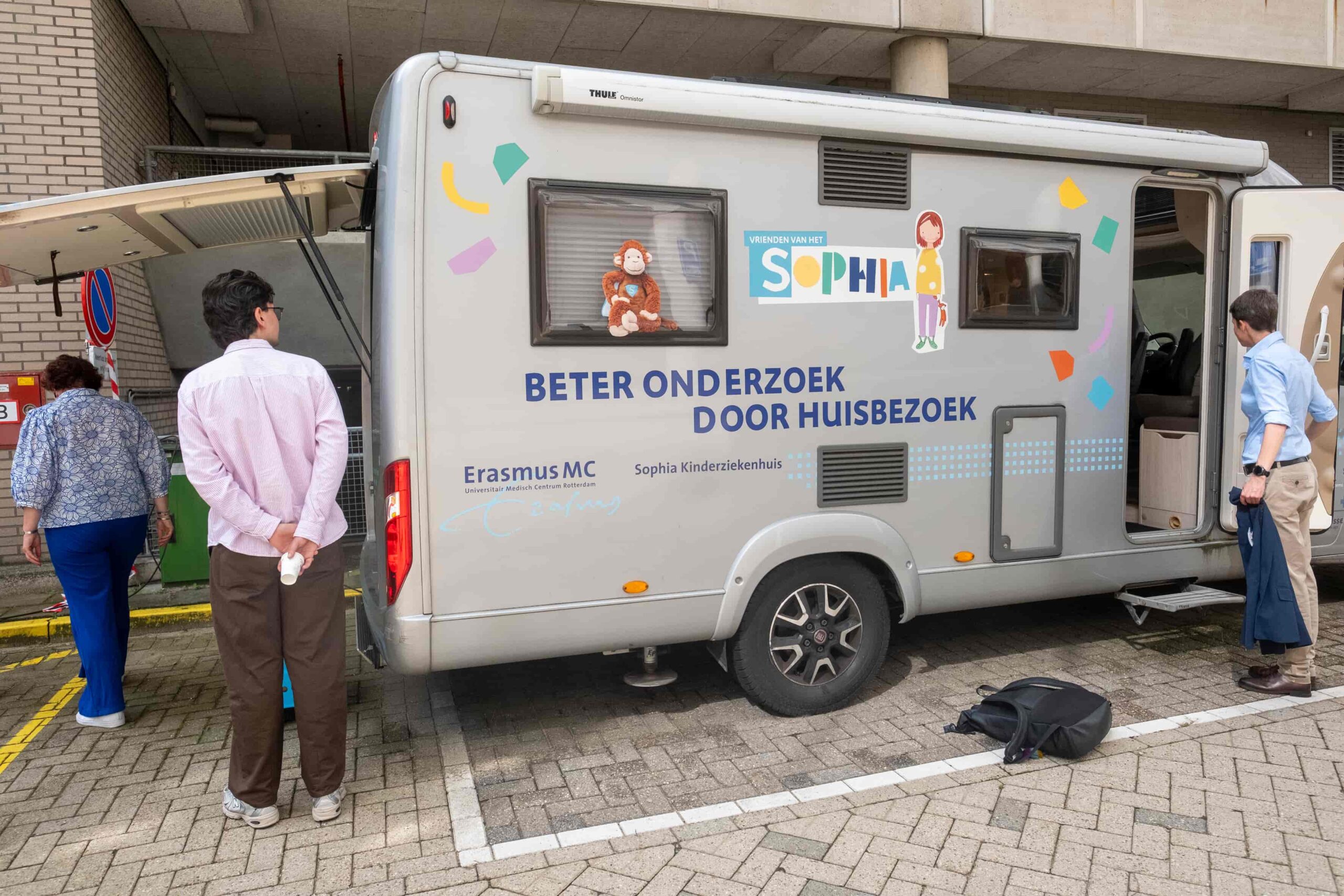
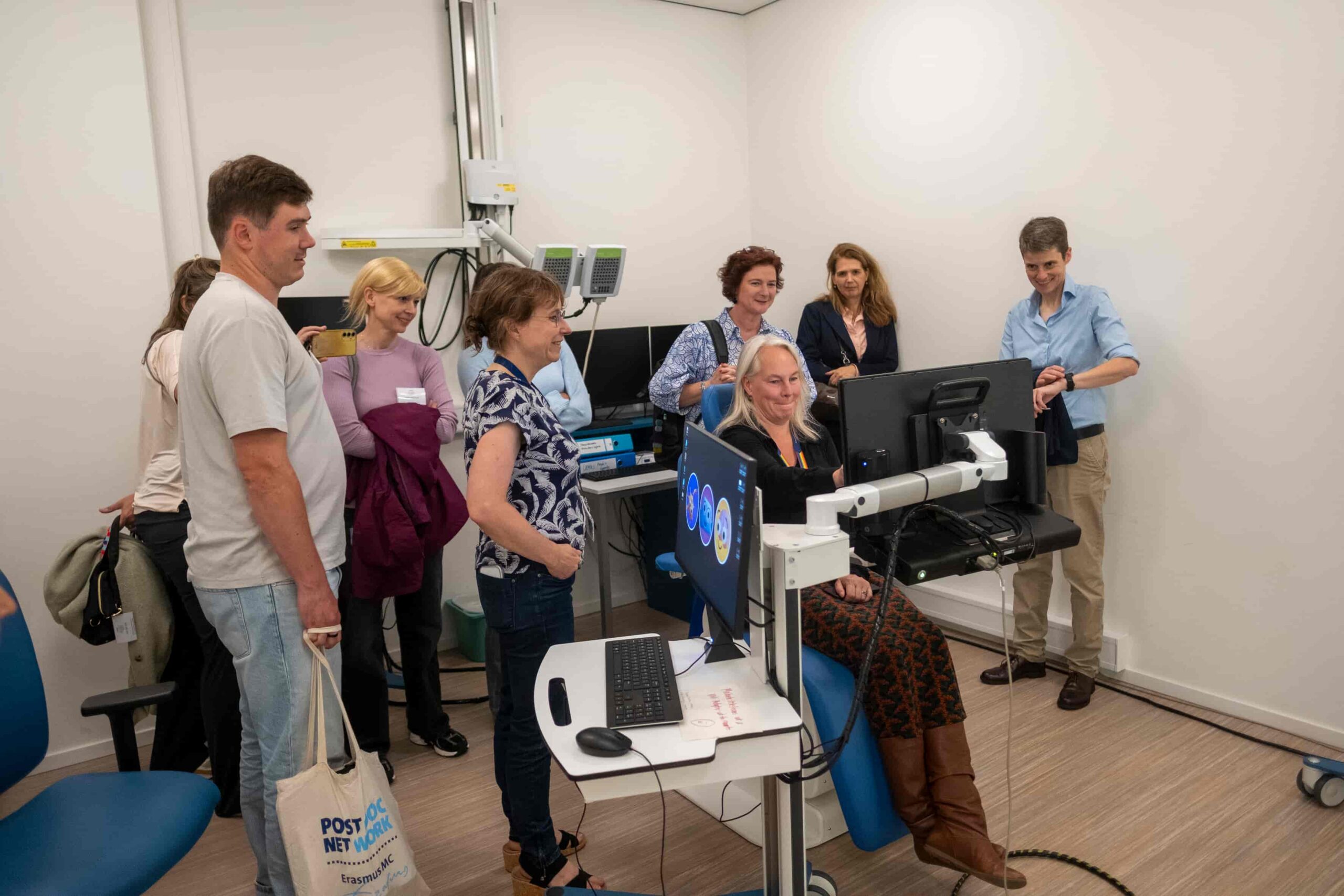
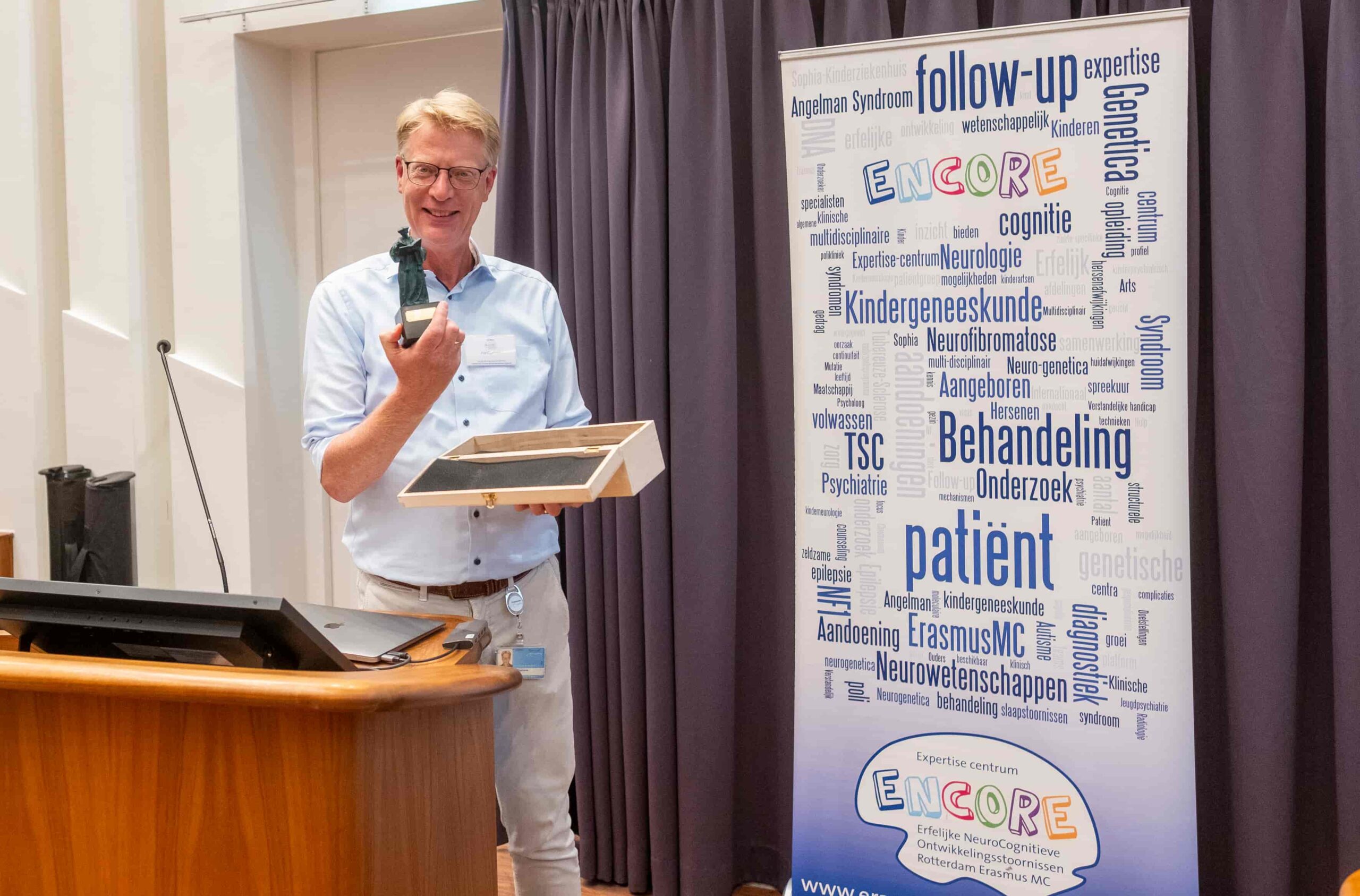
Erasmus MC-award for Ype Elgersma
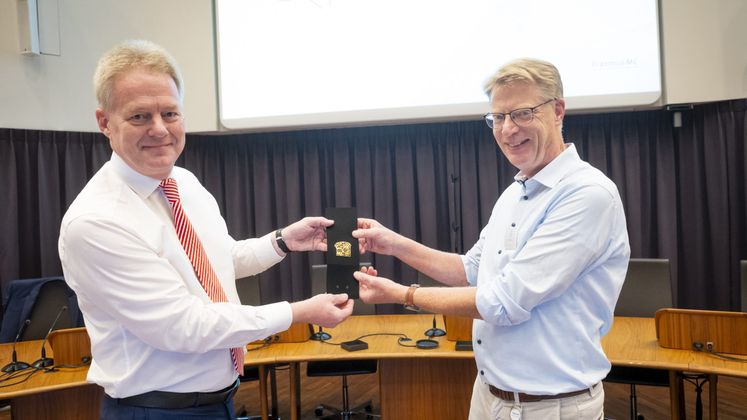
During ENCORE’s 15th-anniversary symposium, Prof. Ype Elgersma received the Erasmus MC Medal. He was awarded the medal for his exceptional contribution to the care and research regarding hereditary neurocognitive disorders.
With this medal, Erasmus MC honors individuals who, through their scientific, societal, or administrative contributions, are of great significance to patients, research, education, and healthcare.
Ype Elgersma received this recognition for his efforts over the past fifteen years to connect researchers, healthcare professionals, patients, and their families. As a co-founder and scientific director of ENCORE, he has developed this centre of expertise into a unique environment where fundamental research and patient care converge to improve diagnostics, treatment, and quality of life for people with rare genetic disorders.
Societal impact
At the presentation ceremony, Paul Boomkamp, a member of the Executive Board, particularly praised the societal impact of his work:Ype consistently demonstrates why fundamental research is vital to improving the quality of life for patients and their families. His approach is a textbook example of how science and healthcare can come together to address societal challenges.
In addition to recognition for his scientific achievements, Ype Elgersma was commended for his commitment to collaboration, the training of young researchers, and translating scientific insights into concrete solutions for patients. By awarding him the Erasmus MC Medal, Erasmus MC expresses its appreciation for the significant impact he has had on patients, families, the scientific community, and society.
Successful ENCORE 15 years! Strategy Day
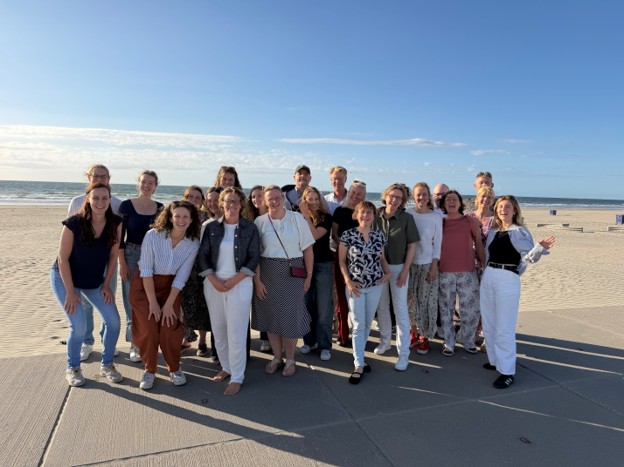
During the ENCORE retreat on July 2, healthcare professionals, researchers, and other stakeholders came together to reflect on the future of our center of expertise. The goal: to collaborate even better, share knowledge, and further improve care and support for people with a rare neurogenetic disorder.
In various working groups, ideas were developed around themes such as the smart use of healthcare and research data, strengthening collaboration between different conditions and disciplines, and making knowledge accessible to patients, parents, and healthcare providers.
One of the plans is the further development of the ENCORE website. In addition to information per syndrome, in the future we also want to offer information on themes that are recognizable to many families, such as sleep, behavior, and communication. This will make it easier to find answers to common questions, regardless of the diagnosis.
It was also discussed how we can better monitor and support new treatment studies and clinical trials. In addition, we are working on ways to make the expertise within ENCORE even more visible, so that professionals can find each other and collaborate more easily.
The strategy afternoon generated a lot of energy, new ideas, and concrete follow-up actions. Various working groups will get to work on these in the coming period. Together, we continue to build a strong connection between care, research, and the daily lives of patients and families.
De heimiddag werd afgesloten met een lekkere BBQ aan het strand in het kader van teambuilding.
Veni grant for ENCORE member Annelot van Esbroeck
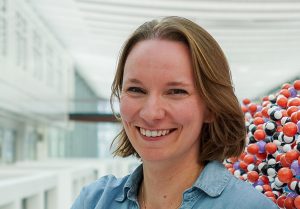
Annelot van Esbroeck receives an NWO Veni grant for research into personalized RNA therapy for rare genetic disorders. With her project Tailored, Targeted, Tolerable: A pipeline for personalized antisense oligonucleotides discovery she wants to make the development of tailored therapies faster and more widely applicable.
Annelot is a researcher within the Department of Clinical Genetics at Erasmus MC and a member of ENCORE. Her research aligns closely with ENCORE's ambition to better understand the genetic and molecular causes of developmental neurological disorders and translate them into targeted treatments.
A genetic change can have serious consequences, for example in the form of difficult-to-treat epilepsy. In some cases, antisense oligonucleotides (ASOs), a form of RNA therapy, can very specifically disable the harmful copy of a gene. However, the personalized development of such therapies is currently costly and time-consuming.
With her Veni research, Annelot aims to develop a more efficient approach. By using common genetic variations (SNPs) and existing stem cell models, she wants to accelerate the development and screening of personalized RNA therapy.
Doe mee aan de GENIUS-studie!
Heeft uw kind het Angelman syndroom of het Dup15q-syndroom? Dan nodigen wij u van harte uit om deel te nemen aan de GENIUS-studie.
Continue ReadingENCORE 15 jaar! Jubileum symposium
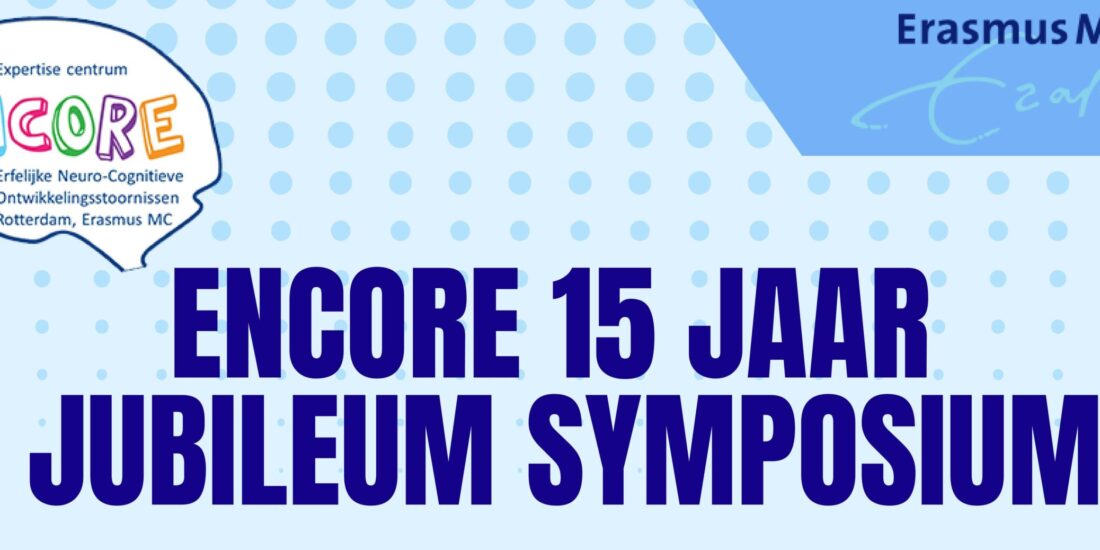
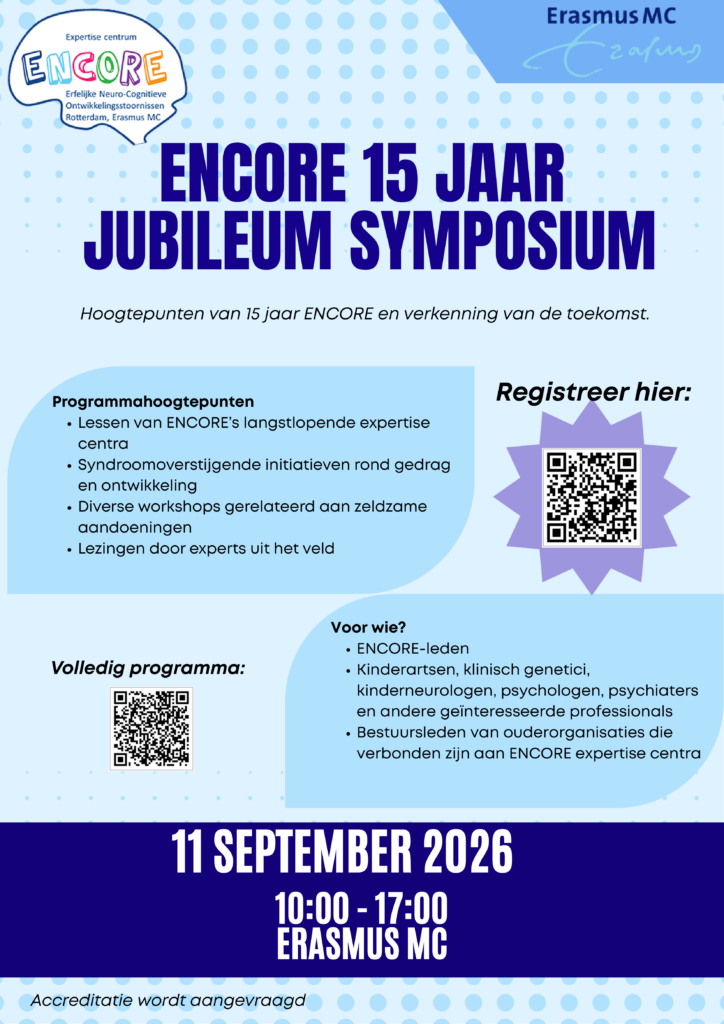
Op vrijdag 11 september 2026 organiseert ENCORE een jubileumsymposium ter gelegenheid van het 15-jarig bestaan van het expertisecentrum. We vieren deze mijlpaal samen met collega’s, samenwerkingspartners en ouderverenigingen.
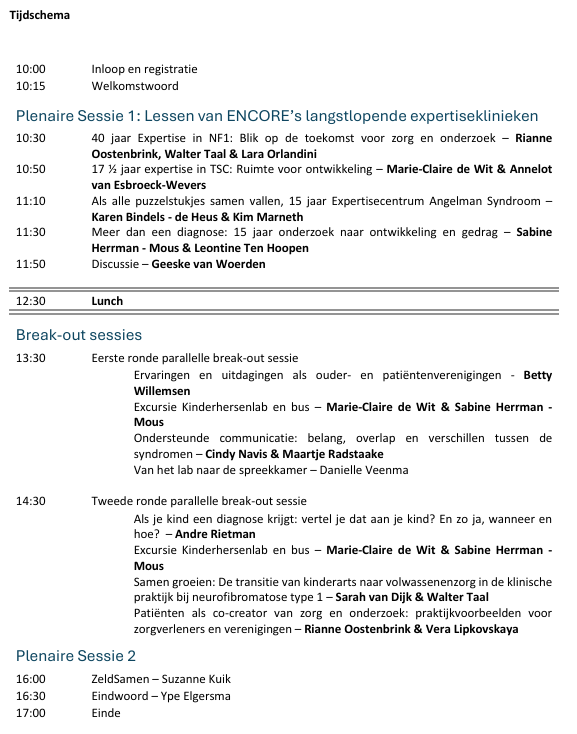
Het programma brengt een breed overzicht van 15 jaar ENCORE-expertise en toekomstige ontwikkelingen. Onderwerpen zijn onder andere 40 jaar NF1-expertise, 17,5 jaar tubereuze sclerose (TSC) zorg en onderzoek, en 15 jaar Angelman syndroom expertise. Daarnaast is er aandacht voor syndroom-overstijgend onderzoek binnen kinder- en jeugdpsychiatrie, met een focus op gedrag en ontwikkeling.
In de middag vinden interactieve parallelsessies plaats over onder andere transitie van zorg, ondersteunde communicatie (AAC), samenwerking met patiëntorganisaties, en de verbinding tussen preklinisch en klinisch onderzoek. Ook is er ruimte voor excursies naar het Kinderhersenlab en gesprekken met (ouder)vertegenwoordigers.
Het symposium wordt afgesloten met een plenaire sessie en reflectie op de toekomst van zorg en onderzoek.
Ga here naar het aanmeldformulier.
ENCORE at EuroNDD
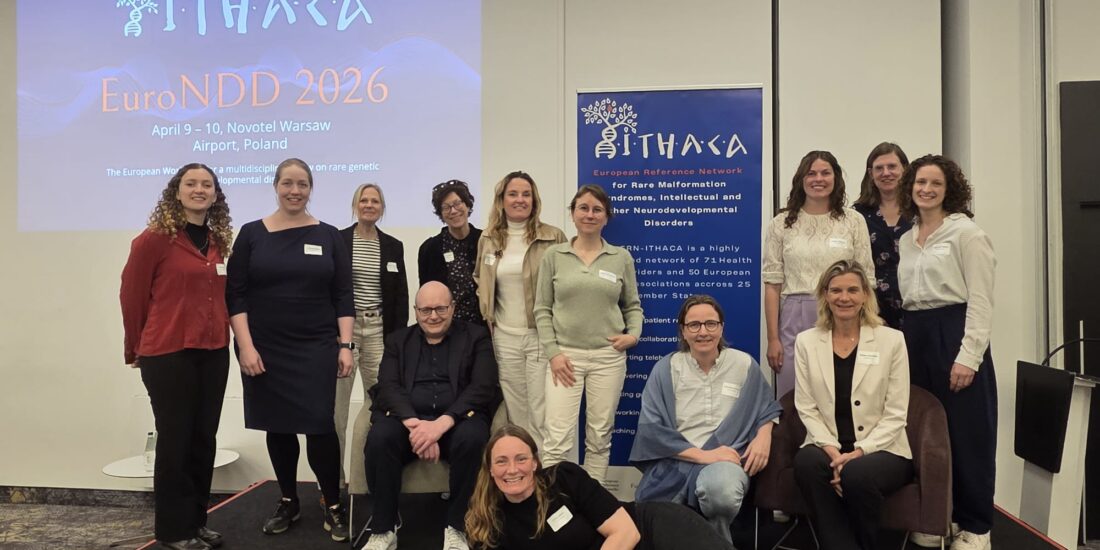
In early April, colleagues from the ENCORE participated in the ERN ITHACA EuroNDD workshop in Warsaw. During this international meeting, more than 250 healthcare professionals and researchers from across Europe came together to exchange knowledge and experiences.
Some highlights were the keynote lecture “The road from diagnosis to intervention: 15 years of ENCORE Expertise Care for Angelman Syndrome” 530 by pediatrician Karen Bindels de Heus, and several sessions on supported communication (AAC), provided by Maartje ten Hooven-Radstaake and Cindy Navis. Presentations on the use of AAC in clinical practice and the transition from care to adulthood, by Maartje ten Hooven-Radstaake and Laura de Graaff, among others, also attracted considerable interest. In addition, PhD students and Cindy Navis presented several posters regarding their research into Angelman syndrome, Duplication 15q syndrome, CAMK2 syndrome, and communication.
There was a strong focus on European cooperation, for example in the areas of guidelines, patient registries, and patient-reported outcomes (PROMs). The workshop yielded valuable insights and new contacts that contribute to further improving care and research for people with rare neurodevelopmental disorders. There was also interest in ENCORE's multidisciplinary approach.
The conference yielded valuable insights and new contacts that contribute to further improving care and research for people with rare neurodevelopmental disorders.
16 March 2026 NF1 network day in MUMC, Maastricht
The annual refresher and further training on NF1 for healthcare providers.
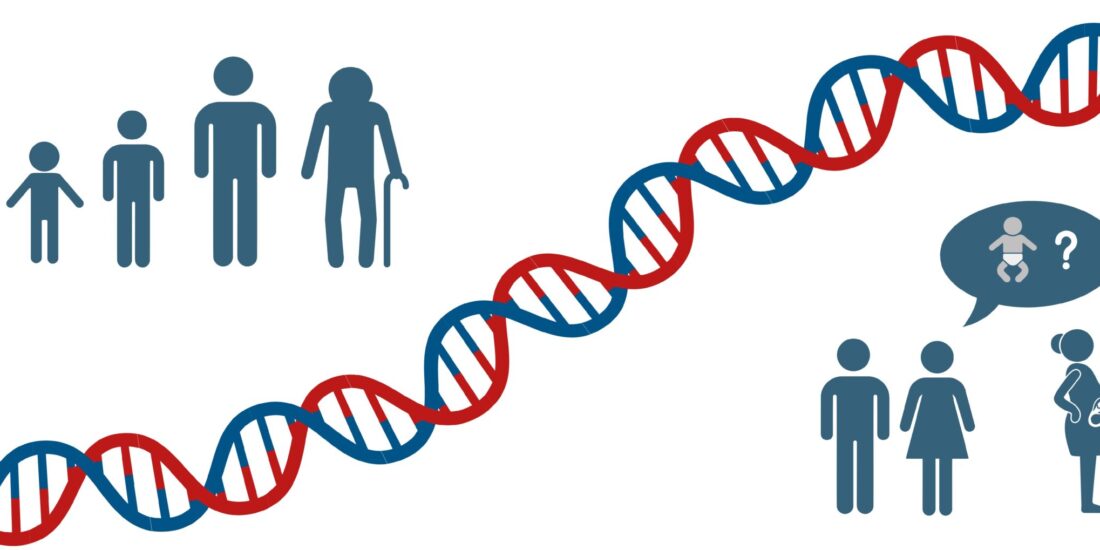
The theme of the NF1 Network Day on March 16, 2026, in Maastricht is: Neurofibromatosis type 1, genes, and growth. In addition to relevant clinical topics, we also offer a platform for scientific research. Researchers can present their work to the NF1 network through short, powerful pitches.
For more information about the program and to register, please click here: NF1-netwerkdag 2026 | Klinische Genetica